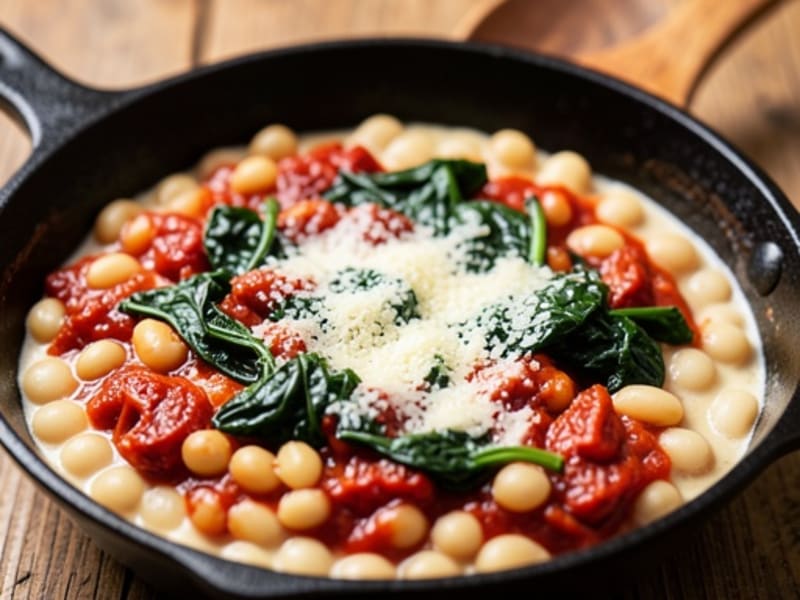
Let's dive into the world of baby spinach, one leafy green that doesn't just sit pretty on your plate. It's beloved for its tender touch, mild taste, and nutrients that can perk up any dish from everyday meals to chef-driven creations.
What Exactly is Baby Spinach?
Picture young, gentle spinach leaves picked about 15 to 35 days post-sowing. That's baby spinach! It stands apart from its grown-up counterpart by having a softer texture and a slightly sweet flavor. Available no matter the season, it's practically earned permanent residency in kitchens everywhere.
A Glimpse Back in Time
Spinach’s tale begins in ancient Persia before meandering its way to India, China, and finally Europe around the 10th century. While mature spinach has been around forever, baby spinach took off more recently, especially as people started clamoring for lighter flavors and easy-to-cook options in the late 20th century.
Getting Creative with Baby Spinach
Baby spinach? Oh, it’s much more than salad filler! Sure, it shines when tossed with vinaigrettes and toppings, but don’t stop there. Sauté it until just wilty (it cooks down like magic), mix it into morning smoothies, sneak it into pasta dishes or quiches, the possibilities are nearly endless. It loves to mingle with citrus fruits, nuts, or creamy cheeses too. Ready to explore new ideas? Check out this spinach salad recipe.
Why They're Actually Good for You
Call baby spinach a health champ, it packs vitamins A, C, K plus folate and minerals like iron and magnesium all in one nifty package. Vitamin K stands out especially because it's key for both bone health and helping blood clot properly. Antioxidants? Yep, they're there too, lutein and zeaxanthin support eye health brilliantly. All-around wellness boost? Absolutely! For some nitty-gritty details on nutrients check [USDA FoodData Central](external link: USDA FoodData Central for spinach).
How to Keep Them Fresh
Pick ones that look vividly green without any sad-looking yellows or wilts. Stay clear of those hiding signs of decay or sliminess, nobody wants mushy greens! When stashing them at home slip them unwashed into a paper towel-lined bag sitting snugly but loosely closed inside the fridge crisper drawer; excess moisture isn't their friend after all! Use within three to five days for best quality, and remember washing comes right before eating!
Spinach's Green Family
Consider "baby spinach" part of a leafy lexicon alongside “mature,” “savoy” (wrinkled wonders), or smooth “flat-leaf.” Have an affair with other greens like peppery arugula or sturdy kale perhaps even noble Swiss chard, all variations share unique flavors yet wear an invisible kinship crown!