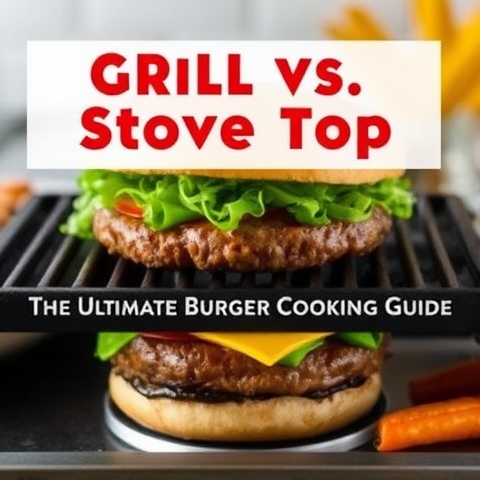
Grill vs. Stove Top: The Ultimate Burger Cooking Guide
When it comes to cooking the perfect burger, the debate over grilling versus stove top is a hot topic among culinary enthusiasts. Each method offers unique advantages and flavors, making it essential to understand the nuances of both. Whether you’re a backyard barbecue aficionado or a stovetop chef, knowing how to maximize your burger-cooking technique can elevate your culinary game. Let’s dive into the details of grilling and stove top cooking for burgers, exploring techniques, tips, and everything in between.
The Case for Grilling Burgers
Grilling isn’t just a cooking method; it’s an experience. The aroma of sizzling meat, the sound of flames licking the grill, and the charred flavor that only an outdoor grill can impart are unparalleled. Here are some benefits of grilling your burgers:
Flavor Infusion
Grilling offers a smoky flavor that is difficult to replicate indoors. The direct heat from the grill caramelizes the natural sugars in the meat, creating that delicious Maillard reaction, which adds depth to your burger’s taste.
Tips for Flavor Enhancement:
– Use Wood Chips: Adding soaked wood chips to your grill can introduce additional smoke flavor. Try hickory or mesquite for a robust taste.
– Marinades and Seasonings: Consider marinating your burger patties for a few hours before grilling. A simple marinade could include ¼ cup of Worcestershire sauce, 2 tablespoons of soy sauce, and minced garlic. Let the patties soak in this mixture for at least 30 minutes to absorb those flavors.
Cooking Method
Grilling allows for even cooking and the opportunity to sear the outside while keeping the inside juicy. Here’s how to get it right:
Grilling Techniques:
– Preheat the Grill: Ensure your grill is preheated to medium-high (about 400-450°F) before placing your patties on.
– Create Two-Zone Cooking: For thicker burgers, consider creating two heat zones—one for direct heat to sear and another for indirect heat to cook through without burning. This method is particularly useful for 1-inch thick patties, allowing you to get that perfect crust while ensuring the interior reaches a safe temperature without overcooking.
Health Benefits
Grilling can be a healthier option than frying on the stove since the excess fat drips away from the patties during cooking. This can lead to a lower-calorie burger without sacrificing flavor. Additionally, grilling often requires less oil, which is beneficial for those monitoring their fat intake.
The Case for Stove Top Cooking
While grilling has its charm, cooking burgers on the stove top also offers distinct benefits, especially for those who prefer an indoor cooking experience or live in climates unsuitable for outdoor grilling.
Convenience and Control
Cooking burgers on the stove allows for greater control over heat levels. You can adjust the temperature more easily than on a grill, making it a great option for novice cooks.
Stove Top Cooking Techniques:
– Use a Cast Iron Skillet: This tool retains heat exceptionally well and allows for an even cook. Preheat it on medium-high heat for the best results. If you have a double-burner griddle, that’s even better for cooking multiple patties at once.
– Basting: For added moisture and flavor, consider basting your burgers with butter during the last few minutes of cooking. Simply melt a couple of tablespoons of butter in the skillet and spoon it over the burgers to enhance their flavor.
Versatility
The stove top method provides versatility in cooking styles. You can pan-fry, sear, or even make giant burgers in a griddle pan. Each technique can yield a different texture and flavor profile.
Cooking Variations:
– Cheeseburgers: Add cheese during the last minute of cooking and cover with a lid to melt it perfectly. For a classic cheeseburger, use American cheese, or for a gourmet twist, try a sharp cheddar or a creamy Brie.
– Stuffed Burgers: Create a pocket in the patty and fill it with cheese, jalapeños, or other ingredients for a surprise in every bite. A popular stuffed burger recipe includes a mixture of crumbled feta and spinach, creating a Mediterranean-inspired flavor.
Indoor Cooking Benefits
Cooking indoors means you can enjoy burgers year-round, regardless of the weather. Plus, you won’t have to deal with the hassle of lighting a grill or cleaning it afterward. The stovetop is also typically easier to monitor, which can lead to more consistent results.
Choosing the Right Method for You
With both methods presenting distinct advantages, the choice often comes down to personal preference and circumstances. Here are some factors to consider:
Your Cooking Environment
– Grilling: Best for outdoor gatherings, summer barbecues, and when you want that authentic grilled flavor. Nothing beats the atmosphere of a summer cookout, complete with friends, family, and the smell of burgers wafting through the air.
– Stove Top: Ideal for winter months, small kitchens, or quick weeknight dinners. If you’re in a hurry or need to prepare a meal for a small group, the stove top is your best bet.
Burger Thickness
– Grilling: Works best for standard thickness (about ¾ inch) burgers. For thicker patties, consider using indirect heat. A 1-inch burger may need about 6-8 minutes per side for an optimal cook.
– Stove Top: Great for thick burgers, as you can easily manage the cooking temperature and use techniques like basting. For a ½ inch patty, aim for about 3-4 minutes per side, while a thicker burger may take closer to 5-7 minutes per side.
Practical Tips for Perfect Burgers
Regardless of your chosen method, a few universal tips can help ensure your burgers are cooked to perfection:
Patty Preparation
– Keep the Meat Cold: Cold meat is easier to shape and leads to better texture. Form your patties and refrigerate them for at least 30 minutes before cooking.
– Don’t Overwork the Meat: Gently mix the ground beef with seasonings and form patties to avoid a tough texture. Use your thumb to make a slight indentation in the center of each patty; this helps them cook evenly and prevents puffing up.
Cooking Temperatures
– Use a Meat Thermometer: Ground beef should reach an internal temperature of 160°F for safe consumption. For turkey burgers, aim for 165°F, while plant-based alternatives may vary by brand, so always check package instructions.
– Rest the Burgers: After cooking, let the burgers rest for a few minutes to allow juices to redistribute. This step enhances juiciness and flavor.
Flavor Pairing Ideas
Enhancing your burger experience goes beyond the cooking method. Here are some delicious pairing ideas:
Toppings
– Classic: Lettuce, tomato, onion, and pickles. These staples are always a crowd-pleaser, providing a refreshing crunch.
– Gourmet: Avocado, blue cheese, caramelized onions, and arugula. For a more upscale burger experience, consider adding toppings like roasted red peppers or a fried egg.
Condiments
– Traditional: Ketchup, mustard, and mayonnaise. These condiments are timeless and complement any burger style.
– Unique: Sriracha mayo, garlic aioli, and homemade barbecue sauce. Experimenting with unique condiments can elevate your burger to the next level. A spicy chipotle aioli can add a delightful kick.
Choosing the Right Equipment
Selecting the right tools can significantly enhance your burger cooking experience, whether you are grilling or cooking on the stovetop.
Grilling Tools
– Grill Thermometer: To ensure optimal cooking temperatures.
– Spatula: A sturdy spatula is essential for flipping burgers without breaking them.
– Grill Basket: Great for cooking vegetables alongside your burgers.
Stovetop Tools
– Non-Stick Skillet: Ideal for easier cleanup and prevents sticking, especially useful for cheese-topped burgers.
– Splatter Guard: Helps contain grease splatter while cooking, keeping your stovetop cleaner.
– Meat Press: For creating thin patties or smashing burgers for a crispy crust.
Burger Variations
Burgers can be customized infinitely. Here are some variations that can inspire your next cookout or dinner:
Regional Burger Styles
– Juicy Lucy: A Minnesota specialty, this burger features cheese stuffed inside the patty, creating a gooey center that oozes with each bite.
– Smash Burger: Popularized by fast-casual restaurants, this technique involves smashing a ball of meat onto a hot griddle, creating a crispy exterior.
– California-style: Often includes fresh ingredients like avocado and sprouts, reflecting the state’s health-conscious cuisine.
Alternative Proteins
– Turkey Burgers: Leaner than beef, but can dry out easily; consider mixing in breadcrumbs or finely chopped vegetables for moisture.
– Plant-Based Burgers: Options like black bean, lentil, or commercially available patties can cater to vegetarians and vegans. Adjust cooking times based on the product’s instructions for best results.
Burger Assembly Tips
Creating the perfect burger isn’t just about cooking; it’s also about assembly. Here’s how to build a burger for optimal flavor and enjoyment:
Building the Perfect Burger
1. Start with a Toasted Bun: This adds crunch and prevents sogginess. Consider brushing with garlic butter before toasting for extra flavor.
2. Layer Wisely: Start with your sauce on the bottom bun, add lettuce to create a barrier against moisture, then the patty, followed by cheese, and finish with your favorite toppings.
3. Finish Strong: A sprinkle of sea salt and freshly cracked pepper on top of the assembled burger can enhance the overall flavor profile.
Garnishing Ideas
– Microgreens: These add a pop of color and a fresh taste, perfect for a gourmet presentation.
– Edible Flowers: For a visually stunning touch, consider garnishing with edible flowers that complement the flavors of your burger.
Expert Chef Tips
To elevate your burger-making skills, consider these insights from culinary experts:
– Chef Thomas Keller: “Focus on the quality of your ingredients. A simple burger made with high-quality beef and fresh toppings will always outshine a complex recipe with inferior components.”
– Chef David Chang: “Don’t be afraid to experiment with flavors. Adding unexpected elements like kimchi or pickled jalapeños can take your burgers to new heights.”
Frequently Asked Questions
1. What is the best way to prevent my burgers from drying out?
To keep your burgers juicy, avoid pressing down on them with the spatula while cooking. Instead, let them cook undisturbed and only flip them once.
2. Can I use frozen patties for both grilling and stovetop cooking?
Yes, you can! Just ensure to increase cooking time and check the internal temperature to ensure they reach 160°F. Thawing them in the fridge overnight beforehand can lead to better results.
3. How do I know when my burger is done without cutting it open?
Using a meat thermometer is the best way to check doneness. The internal temperature should be 160°F for ground beef and 165°F for turkey.
4. What are the best types of cheese to use for burgers?
American cheese is a classic choice for its meltability. However, provolone, cheddar, and gouda can add unique flavors and textures.
5. How can I make my own burger patties from scratch?
Simply combine ground beef with your choice of seasonings—like salt, pepper, garlic powder, and onion powder—and form into patties. Aim for about 6 ounces per patty for a standard size.
6. What is the difference between grass-fed and grain-fed beef for burgers?
Grass-fed beef typically has a richer flavor and is often leaner than grain-fed. It also contains higher levels of omega-3 fatty acids, making it a healthier choice.
7. Can I grill vegetables alongside my burgers? If so, how?
Absolutely! Vegetables like bell peppers, zucchini, and mushrooms can be grilled alongside burgers. Just toss them in olive oil and seasonings, and place them on the grill for a few minutes until tender.
8. What are some common toppings that pair well with specific burger styles?
For a classic cheeseburger, stick to traditional toppings like ketchup and mustard. For a gourmet burger, consider adding arugula and truffle aioli for a refined taste.
Conclusion
Whether you prefer the smoky char of a grilled burger or the convenience of a stovetop patty, each method offers distinct advantages to suit your cooking style. Experiment with flavors, techniques, and toppings to find your perfect burger.
Ready to fire up the grill or heat that skillet? Whichever method you choose, remember that the best burger is one made with passion and creativity. So, gather your ingredients, invite some friends over, and enjoy the delightful experience of crafting unforgettable burgers!
For more cooking tips and delicious recipes, subscribe to our blog and take your culinary skills to the next level. Happy cooking!